Zork Journal — On a Future Not Yet Drafted
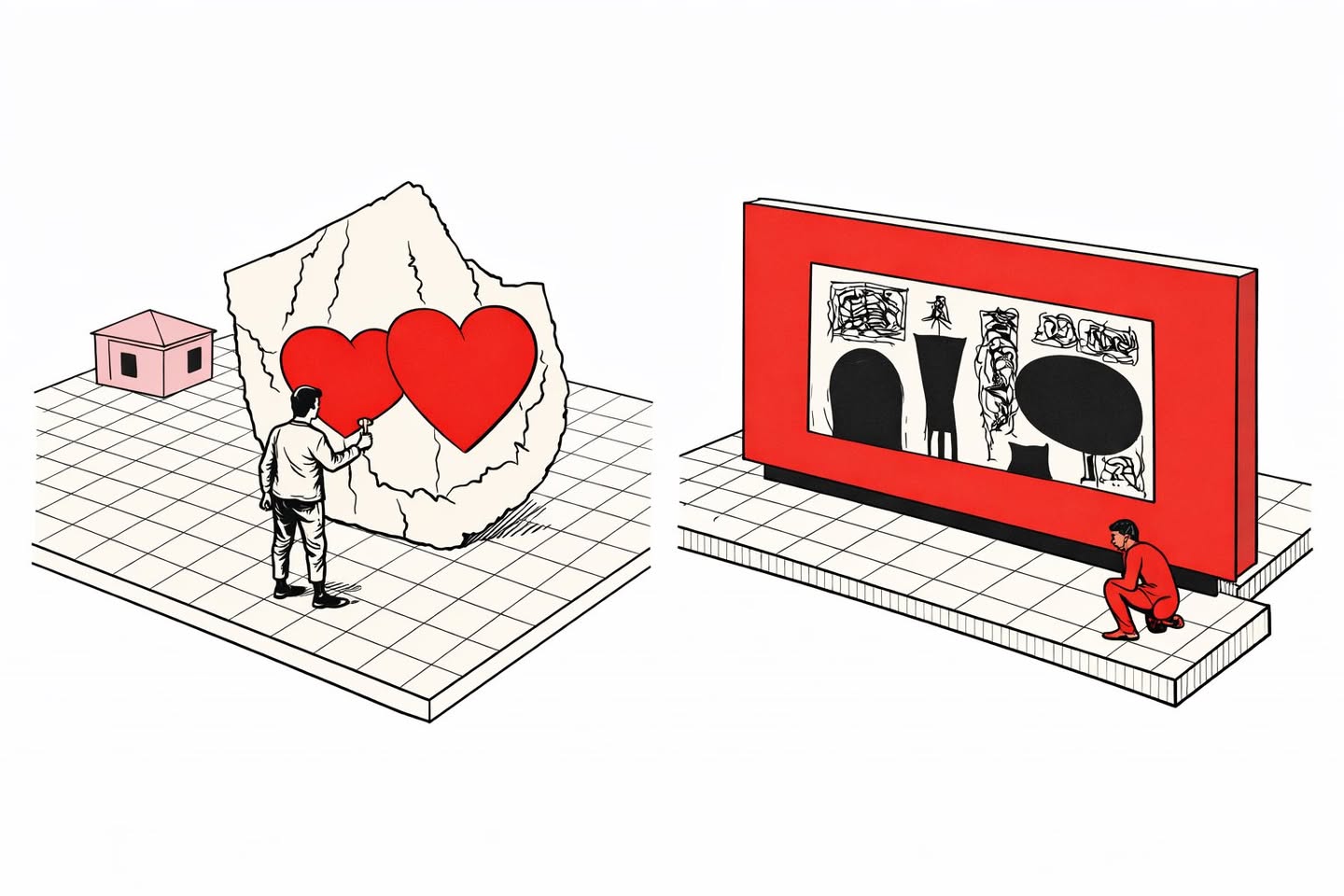
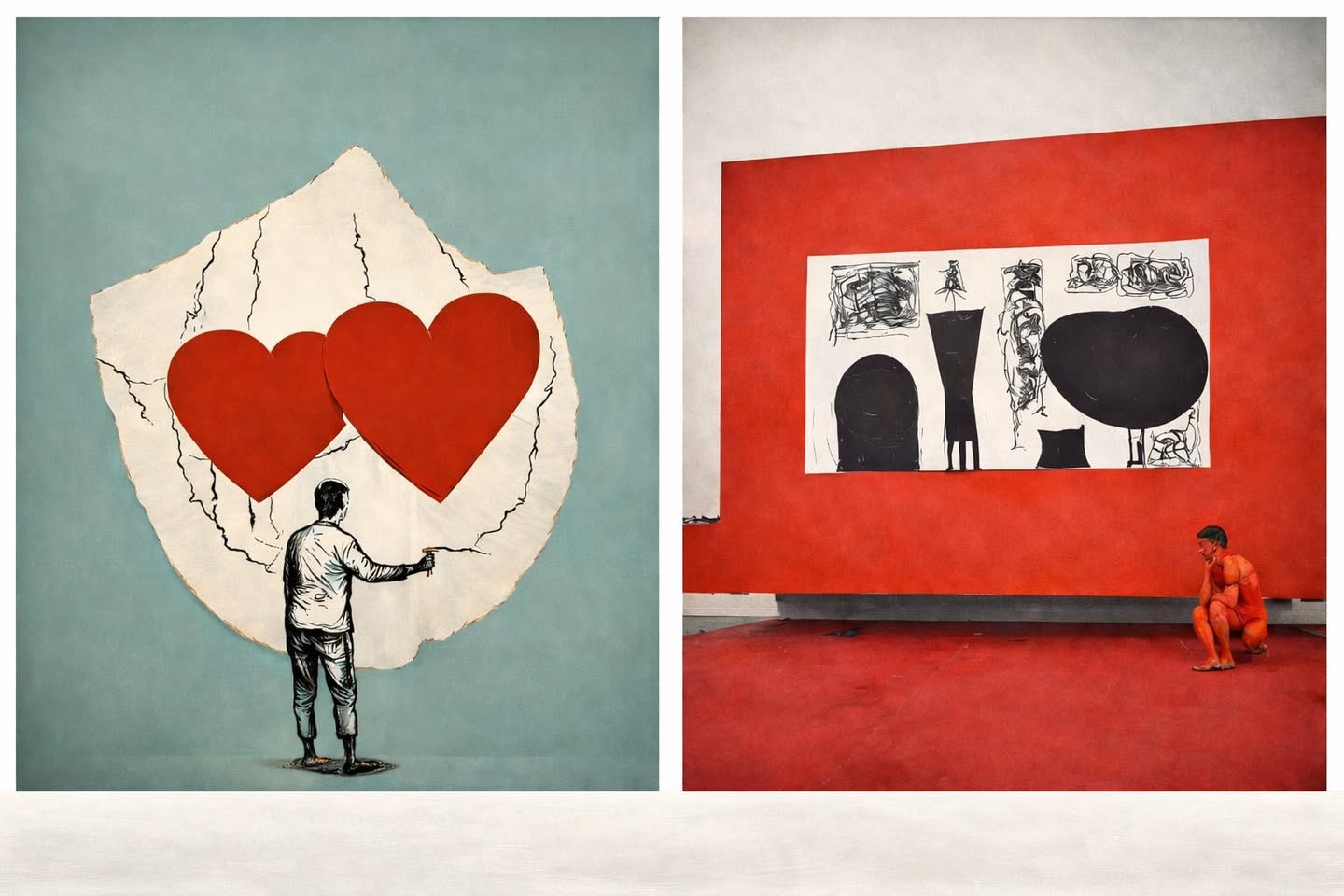
I sometimes try to imagine my future as if it were already laid out somewhere — pinned to a wall, drawn in thin lines, annotated in a hand more precise than mine. A kind of teatro score for a life not yet performed.
In one version, I become more reduced. Fewer gestures. Fewer words. Cleaner structures. I stop trying to hold all possibilities at once. I choose constraints deliberately, the way an architect chooses a grid. Not because I lack imagination, but because imagination needs edges to press against.
In another version, I expand. The compost grows. The fragments multiply. The collage becomes denser, not cleaner. I no longer attempt to “solve” coherence — I let coherence emerge statistically, like weather. I become less author and more gardener of systems. I water. I prune. I let strange hybrids survive.
There is also the practical future. The one with machines, specifications, operating systems that depend on my attention. The one where AI tools either amplify my reach or fall silent. I suspect the real test will not be productivity, but rhythm. If the systems hum, I compose with them. If they go quiet, I must remember how to move without amplification.
And then there is the simplest future: mornings in the garden. Soil under nails. Light changing without asking for interpretation. Work that ends when the sun lowers. In that version, I am less ambitious and more present. Fewer constructs. More breath.
What I notice is this: every future I imagine contains structure and disorder in some proportion. The difference is only where I place myself. Am I inside the machinery, or beside it? Am I the one scoring the stage, or the one standing still in it?
Perhaps the real future is not an outcome but a skill — the ability to move between these modes without drowning in either.
If that is true, then the work now is simple: practice transitions.
Zork